PRODUCTS

Plastics uniaxial geogrid
Category:
Uniaxial Geogrid
Get expert sales advice within 12 hours.
Chat with us now for a quick response.
keywords :
Uniaxial Geogrid
Product Introduction
Plastics Uniaxial Geogrid is a type of geosynthetic material made from polymeric materials such as polypropylene (PP) or high-density polyethylene (HDPE). It is designed primarily for soil reinforcement, slope stabilization, and retaining wall construction. The term "uniaxial" indicates that the geogrid's primary strength is in one direction (longitudinal), making it ideal for applications where high tensile strength is required to resist forces in a single direction.Plastics Uniaxial Geogrid offers excellent resistance to chemical degradation, UV exposure, and biological factors, ensuring durability in harsh environmental conditions. Its open grid structure allows for effective soil interlock and drainage, enhancing overall stability. Commonly used in road construction, embankments, and reinforced earth structures, it improves load distribution and reduces settlement, extending the lifespan of civil engineering projects.
Technical Specifications
● Material: Polypropylene (PP) or Polyethylene (HDPE)
● Tensile Strength: 20 kN/m to 300 kN/m (customizable)
● Roll Dimensions: 2m to 6m width, 50m to 100m length (custom sizes available)
● Color: Black or customized colors
● Standards: Complies with ASTM, ISO, and other international standards.
Key Features
● High Tensile Strength: Provides superior load-bearing capacity for soil stabilization and reinforcement.
● UV Resistance: Engineered to withstand prolonged exposure to sunlight, ensuring long-term performance.
● Chemical Resistance: Resistant to chemicals, acids, and alkalis, making it ideal for harsh environments.
● Lightweight & Flexible: Easy to handle and install, reducing labor costs and project timelines.
●Cost-Effective: Offers a durable and economical solution for large-scale projects.
● Eco-Friendly: Made from recyclable polypropylene, supporting sustainable construction practices.
Advantages of PP Uniaxial Geogrid
● Enhanced Soil Stability: Improves the load-bearing capacity of weak soils.
● Reduced Construction Costs: Minimizes the need for expensive fill materials.
● Long Service Life: Resistant to environmental degradation, ensuring decades of performance.
● Easy Installation: Lightweight and flexible, allowing for quick and efficient installation.
● Versatility: Suitable for a wide range of civil engineering and construction projects.
FAQ
Q: What is the lifespan of Plastics Uniaxial Geogrid?
A: With proper installation, Plastics Uniaxial Geogrid can last for decades, even in harsh environments.
Q: Can Plastics Uniaxial Geogrid be used in waterlogged areas?
A: Yes, it is resistant to water and can be used in areas with high moisture content.
Q: Is customization available?
A: Yes, Plastics Uniaxial Geogrid can be customized in terms of size, strength, and color to meet specific project requirements.
Q: What are the environmental benefits of Plastics Uniaxial Geogrid?
A: It is made from recyclable plastics, reducing environmental impact and supporting sustainable construction practices.
Plastics uniaxial geogrids are engineered geosynthetic products designed to provide high tensile strength primarily in one direction. Unlike biaxial geogrids, which offer strength in both longitudinal and transverse directions, uniaxial geogrids focus on reinforcing soils and structures along a single axis. This design feature makes them particularly effective for stabilizing slopes, retaining walls, embankments, and reinforced soil structures where directional load support is critical. Typically manufactured from high-density polyethylene (HDPE), polypropylene (PP), or other polymeric materials, these geogrids are produced through extrusion, stretching, or weaving processes to achieve optimal mechanical properties.
The primary function of plastics uniaxial geogrids is soil reinforcement. When installed within soil layers, the geogrid distributes loads over a wider area, reducing stress on the underlying soil and increasing its bearing capacity. This is essential in construction projects involving weak or compressible soils. The geogrid’s open mesh structure allows soil particles to interlock with the grid, improving overall structural stability and reducing the risk of differential settlement. This mechanism also minimizes soil deformation and enhances long-term performance of reinforced structures.
Durability and chemical resistance are key advantages of plastics uniaxial geogrids. Resistant to corrosion, UV radiation, and biological degradation, these materials can withstand harsh environmental conditions for decades. The resistance to chemical attack makes them suitable for projects involving acidic or alkaline soils, industrial sites, and areas with fluctuating groundwater conditions. Additionally, their lightweight and flexible nature allows for easier transportation, handling, and installation compared to traditional reinforcement materials such as steel.
Applications of uniaxial geogrids are diverse. In slope stabilization, they provide lateral confinement, preventing soil erosion and landslides. In retaining wall construction, geogrids reinforce soil behind walls, enabling higher wall heights and reduced footprint compared to conventional retaining methods. They are also widely used in embankment reinforcement, particularly for roads and railways, where uniaxial geogrids distribute vehicle loads effectively, reduce settlement, and extend pavement life. Additionally, geogrids are applied in foundation reinforcement, landfill stabilization, and erosion control projects, highlighting their versatility across civil engineering disciplines.
Installation of plastics uniaxial geogrids requires careful planning to maximize performance. Proper alignment along the principal load direction, adequate soil cover, and correct tensioning are critical factors. Geogrid overlaps and anchoring methods must comply with engineering design specifications to ensure structural integrity. Advances in geogrid technology, such as pre-stretched or puncture-resistant designs, further enhance installation efficiency and performance in challenging conditions.
Environmental and economic considerations also favor the use of plastics uniaxial geogrids. Their lightweight nature reduces transportation energy, and the longevity of reinforced structures decreases maintenance costs over time. Moreover, using geogrids in road and embankment projects can reduce the amount of natural aggregate needed, promoting sustainable construction practices. With increasing emphasis on resilient infrastructure, uniaxial geogrids represent a practical solution that combines structural performance, cost-effectiveness, and environmental responsibility.
In conclusion, plastics uniaxial geogrids are essential geosynthetic materials in modern civil engineering. Offering high tensile strength, durability, chemical resistance, and ease of installation, they provide a reliable solution for soil reinforcement, slope stabilization, retaining walls, embankments, and various infrastructure projects. As construction demands grow and environmental concerns intensify, the use of plastics uniaxial geogrids is likely to expand, providing efficient, sustainable, and long-lasting support for critical civil engineering applications.
Production strength
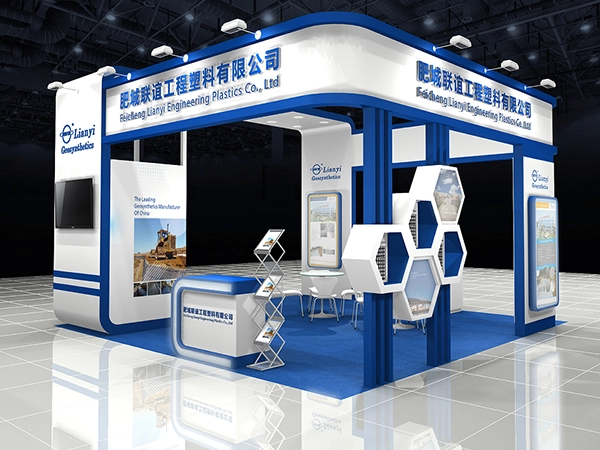
Feicheng Lianyi Engineering Plastics Co., Ltd. is a comprehensive enterprise specializing in the research, development, manufacturing, and sales of geosynthetic, plastic, and fiberglass products. Currently, the company boasts fixed assets of RMB 800 million and employs 581 staff members, 48% of whom are graduates from domestic universities. We have established long-term cooperative relationships with several research institutes, universities, and design institutes, ensuring strong technical capabilities. Our annual production capacity reaches approximately 150,000 tons.
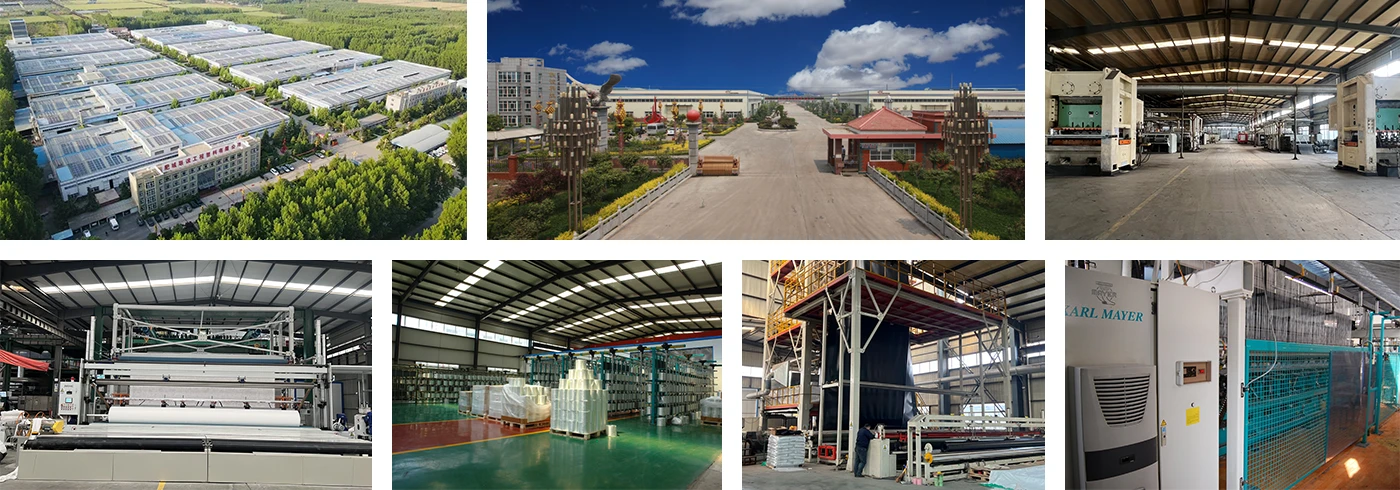
Our products have been exported to numerous countries and regions, including South Korea, Israel, Kuwait, Thailand, Canada, Panama, and Poland etc, earning a strong reputation in the market. Our management philosophy is to provide high-quality products and excellent service to our customers. We are committed to continuous innovation and product improvement as our core development strategy. We look forward to establishing long-term cooperative relationships with you.
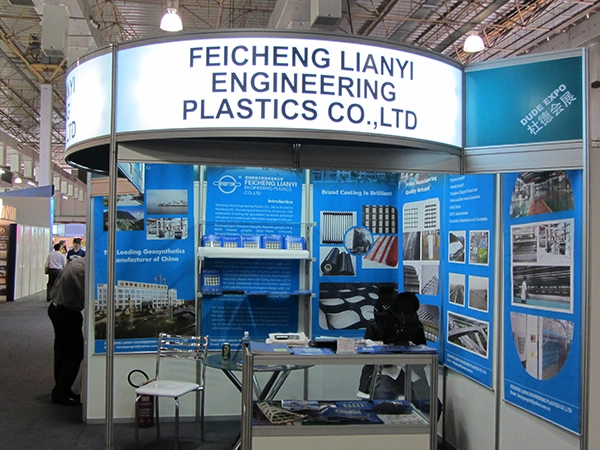
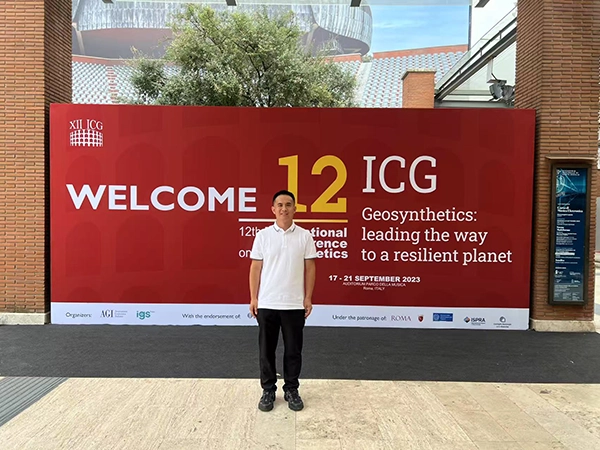
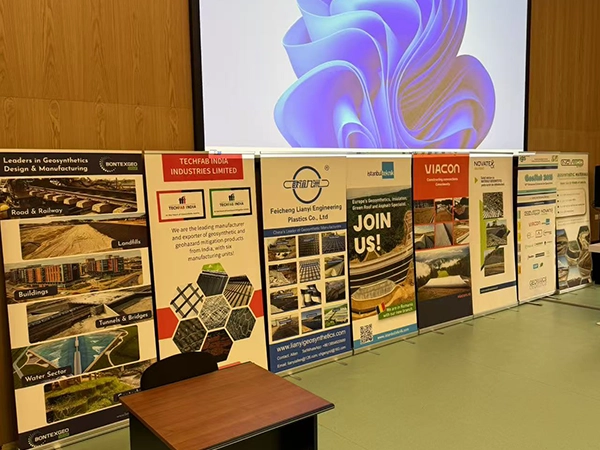

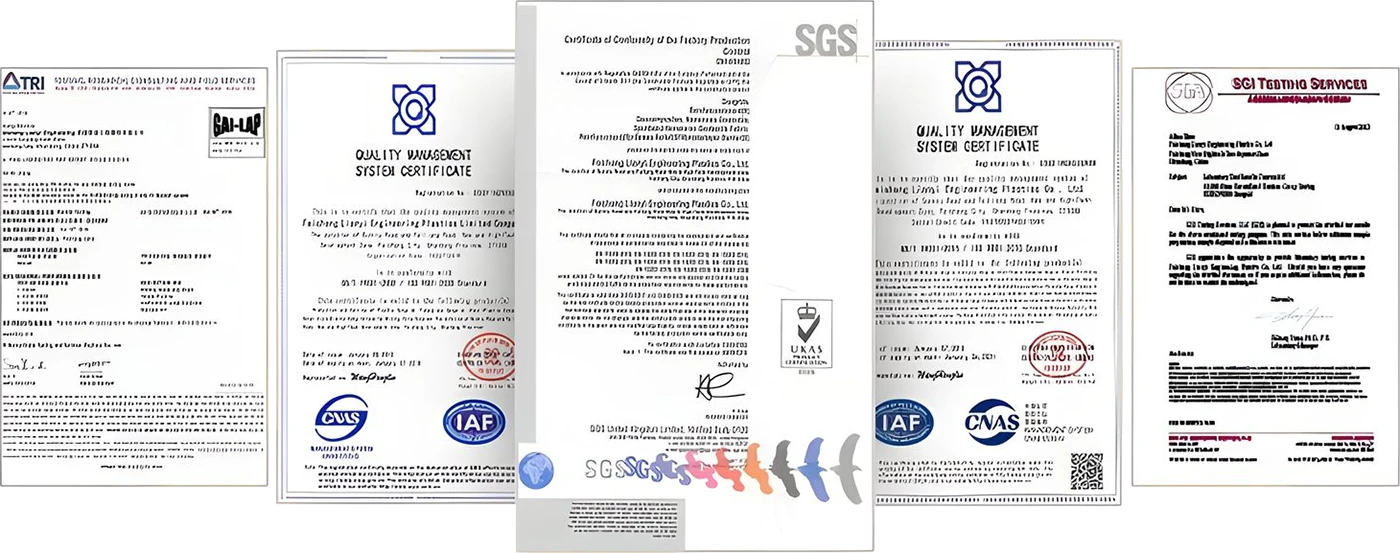
OUR CERTIFICATE
All our geosynthetic products are manufactured in adherence to the international standards for quality. We have laboratories and facilities where we test each product, allowing us to provide customers with data tests.
To ensure quality, we obtained different certifications including ISO9001, BBA, ISO 14001, and IVG. We are also certified by OHSAS 18001, RVS, ASQUAL, and Norgeospec.
Thus, ensuring that each product will be delivered with quality.
Our products are applied in these fields

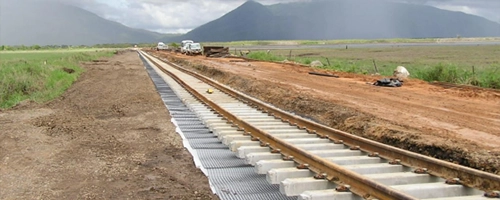
Retaining Walls
Geogrids are polymer-based geosynthetic materials used to reinforce soil behind retaining walls, installed in horizontal layers that extend into the backfill. By stabilizing the soil mass, they enhance the structural integrity and load-bearing capacity of the wall system.
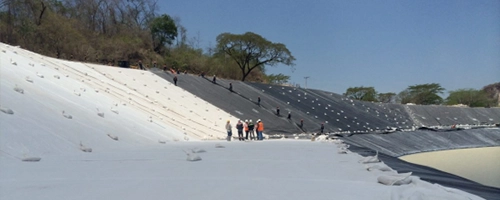
Soil Reinforcement
Geogrids and Geotextiles enhance soil stability by adding tensile reinforcement, improving strength and deformation resistance. These materials allow engineers to construct embankments on soft ground and design steeper earth slopes safely. Their reinforcing function provides crucial structural support where traditional soil alone would fail.
Drainage Systems
Geotextiles are used to prevent road base materials from penetrating into soft underlying soft subgrade, thus maintaining design thickness and roadway integrity. Geotextile separators also prevent fine-grained subgrade soils from being pumped into permeable, granular road bases
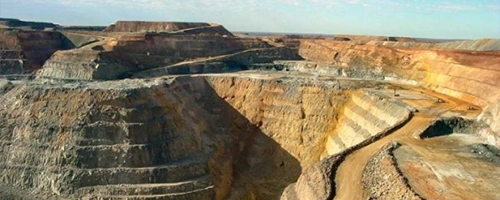
Erosion control
Geosynthetics provide immediate sediment stabilization while creating a supportive matrix for revegetation, with material selection based on site-specific hydraulic and topographical conditions. These engineered systems combine immediate erosion protection with long-term soil reinforcement, capable of withstanding high-velocity flows during both initial installation and subsequent vegetation establishment phases.
Filtration
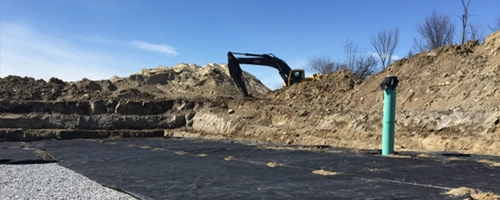
Geotextiles retain soil particles while allowing water flow, utilizing a 'bridging' effect where larger particles help trap finer sediments, working best in one-directional flow. Their performance can be customized through fabric design and are often paired with drainage cores in geocomposites to prevent soil migration in drainage systems or protect riprap in waterways.
Mission
Our mission is to deliver innovative, high-quality geosynthetic solutions that empower sustainable development and enhance the resilience of infrastructure worldwide.
● Innovation: Continuously advancing our products and technologies to meet the evolving needs of the construction and environmental industries.
● Quality: Ensuring the highest standards of manufacturing to provide durable, reliable, and cost-effective geosynthetic materials.
● Sustainability: Promoting environmentally responsible practices by offering solutions that reduce environmental impact and support long-term ecological balance.
● Customer Focus: Building strong partnerships with our clients by understanding their unique challenges and delivering tailored solutions that exceed expectations.
● Global Impact: Contributing to the development of safer, more efficient, and sustainable infrastructure across the globe.
Can geotextiles be used with geogrids?
Request Information or Get a Quote
Lianyi welcomes the opportunity to work with you on your next infrastructure project. Click the link below to submit an electronic request or get contact information for our nearest location, and our team will get back to you promptly.
CONTACT US →GET A FREE QUOTE
RELATED PRODUCTS

One Stop Geosynthetics Manufacturer
Lianyi is a professional geosynthetics manufacturer with over 20 years of experience in the geosynthetics field.
Get expert sales advice within 12 hours.
Chat with us now for a quick response.
Wechat number
PRODUCT